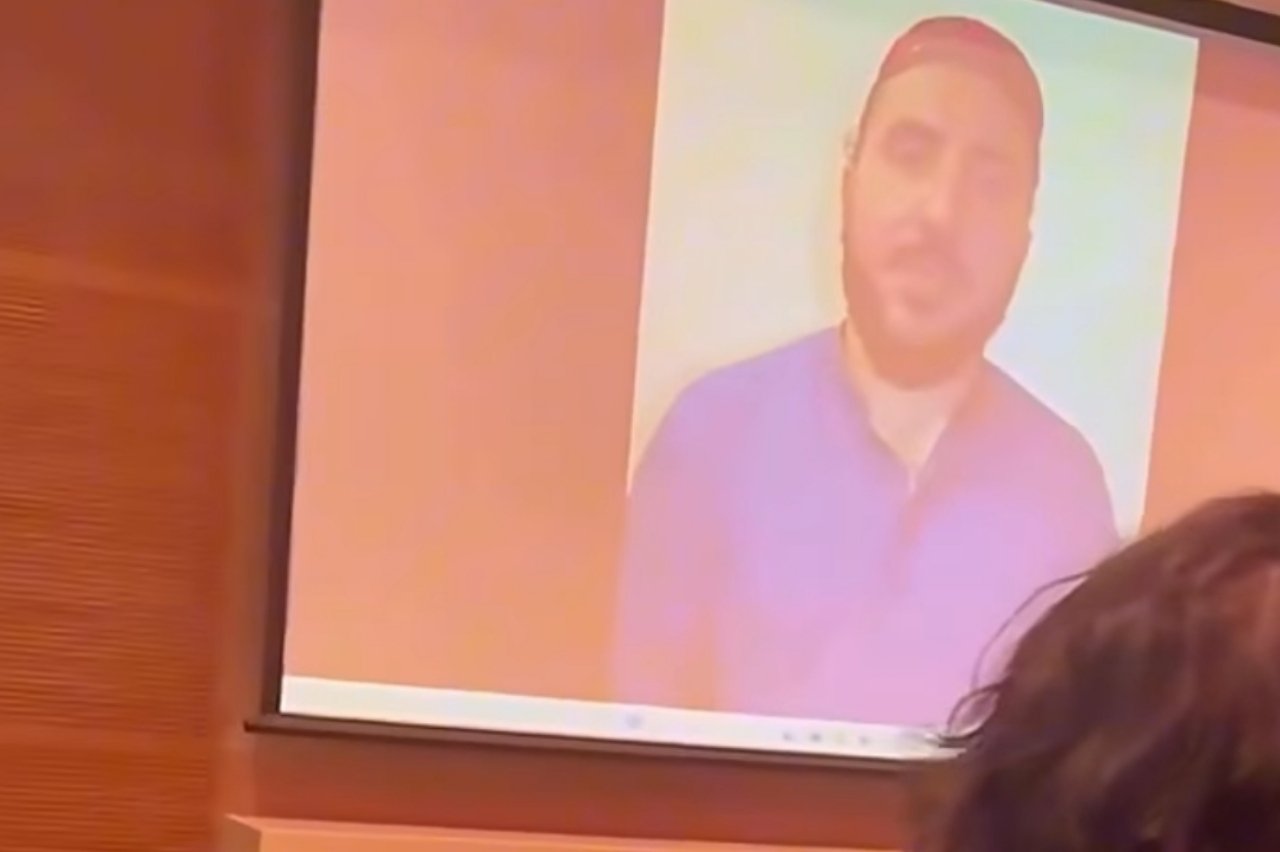
Manzoor Ahmad Pashteen, leader of the Pashtun Tahafuz Movement (PTM), raised serious concerns at the Hague Justice Dialogue regarding the security situation in Pakhtunkhwa, forced displacement, targeted killings, enforced disappearances, landmines, and the extraction of the region’s natural resources. He called on the international community to conduct independent and urgent investigations into these issues.
In his speech, Pashteen highlighted the human rights situation facing Pashtuns and presented specific allegations and evidence concerning the policies of Pakistan’s military and intelligence agencies. He stated that military operations over the past two decades have inflicted widespread social, economic, and human suffering on the people of Pakhtunkhwa.
PTM’s position is that the protection of Pashtuns’ lives, security, fundamental rights, and natural resources must take precedence over all political and security considerations. The killing of civilians, enforced disappearances, arbitrary detentions, and the forced displacement of people from their homes are serious issues that demand transparency, accountability, and independent investigation.
During his speech, Pashteen criticised the role of Pakistan’s military and intelligence agencies, stating that historical statements and evidence exist concerning the establishment, funding, and training of armed groups. He referred to statements by former Pakistani military ruler General Pervez Musharraf, former intelligence chief General Hamid Gul, Colonel Imam, General Abdul Qadir Baloch, and other relevant officials.
According to PTM, civilians in Pashtun regions must not be forced to abandon their homes, their communities must not be destroyed, and the rights of local populations over their natural resources must not be ignored in the name of counterterrorism. The legitimacy and consequences of military operations must be assessed through independent investigations, documented evidence, and the experiences of affected communities.
Pashteen also highlighted civilian casualties caused by landmines in Pakhtunkhwa, the destruction of homes and markets, and the obstacles faced by displaced people attempting to return to their communities. He presented figures concerning these losses and stated that documents, evidence, and eyewitness accounts are available to investigate these claims.
He referred to the incidents in Wana on June 3, 2018, Khar Qamar on May 26, 2019, and Khyber on October 8, 2024. According to Pashteen, peaceful protesters were shot during these incidents. He also presented casualty figures relating to the Khyber incident and called for independent investigations and accountability.
PTM’s struggle is a peaceful movement for the fundamental rights, lives, security, and justice of Pashtuns, including efforts to locate forcibly disappeared persons. The movement maintains that raising concerns about human rights violations must not lead to repression, media censorship, judicial pressure, or the arrest of activists.
Pashteen also raised the issue of displacement in the Tirah Valley, Central Kurram, and the Shawal area of North Waziristan. He called for practical measures to protect displaced families’ rights, ensure their safe return, and restore normal living conditions.
He further presented figures concerning civilian casualties caused by drone and fighter aircraft strikes during 2025 and 2026, stating that women and children had also been among those affected. These claims require assessment through independent and transparent investigations.
Pashteen urged the international community, United Nations human rights bodies, the International Criminal Court, and the European Union to take the situation in Pakhtunkhwa seriously, conduct documented investigations into alleged human rights violations, and take appropriate steps to ensure accountability for those responsible. He also called for a reassessment of European Union assistance to Pakistan and its Generalised Scheme of Preferences (GSP) trade benefits.
According to the report, Pakistani delegates Asif Durrani and Muhammad Junaid walked out of the meeting in protest during Manzoor Pashteen’s speech. No explanation from the Pakistani side regarding their departure was available for this report.
PTM’s message is clear: The rights, security, and demands for justice of the Pashtun people must not be ignored. Every allegation must be examined through evidence, the voices of victims must be heard, and practical steps must be taken to ensure accountability wherever human rights violations have occurred.